Degenerative Joint Disease (DJD) — commonly known as osteoarthritis — remains one of the most widespread joint conditions across the world. It silently progresses over the years, slowly wearing down the protective cartilage that keeps our joints moving smoothly.
With the rise in DJD cases, accurate ICD-10 coding has become more important than ever. It helps doctors document the condition correctly, ensures smoother insurance processing, and allows patients to receive the right treatment without unnecessary delays.
Osteoarthritis (Degenerative Joint Disease or DJD) DJD ICD 10 is an agonizing illness and is progressive and chronic. Following the increasing cases of DJD, effective medical documentation and coding have become a vital measure in diagnosing the condition, planning of treatment and insurance requirements. This is where the ICD-10 code of DJD takes the scene.
Here in our blog post we will discuss the definition of DJD, symptoms of DJD, causes of DJD and its treatment. and in detail we will see the ICD-10 coding of DJD or the Degenerative Joint Disease.
This guide takes you through everything — what DJD actually is, its symptoms, causes, diagnosis, treatment options, and the updated ICD-10 codes used in 2025.
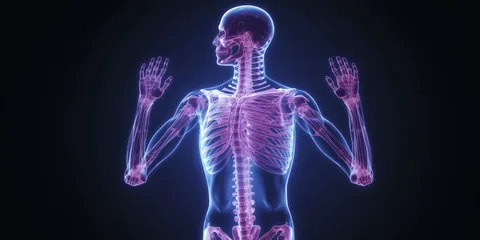
What is Degenerative Joint Disease (DJD)?
DJD ICD-10 refers to the coding used for documenting Degenerative Joint Disease in medical files. It is a slow, progressive condition where the cartilage covering the ends of bones breaks down, causing the bones to rub together. Over time, this friction leads to:
- Pain
- Stiffness
- Swelling
- Loss of mobility
DJD ICD 10 is a degenerative form of arthritis, the end result of which is cartilage breakdown on joints. The protective tissue that covers the tip ends of the bones is called cartilage and it cushions the bones as one moves. In its deteriorating state, bones start to rub together resulting in pain, stiffness and swelling with compromised mobility.
Long term, DJD may result in:
- Joint deformities
- Failure of functioning
- The growth of bone spurs Bone spur formation
- Long term pain and inflammation
Although DJD can develop in any joint, it is most commonly seen in the knees, hips, spine, and hands.
Common Symptoms of DJD
The symptoms of Degenerative Joint Disease often develop slowly and worsen over time. Key symptoms include:
- Pain in joints, and more specifically in case there is a motion or exercise
- Joint stiffness as in the morning or after rest
- Swelling of joints affected
- Flexion or range of motion loss
- Grinding or popping feelings
- The bone spurs can become like hard lumps in and around joints
Causes And Risk Factors
DJD does not appear suddenly. It builds up over years. Some factors that increase risk.
DJD is produced by damage to the joint accumulated throughout several years of life, but a number of factors may enhance the development of the disease:
- Age: The risk is more after the age of 50
- Genetics: There may be a family history of osteoarthritis which makes one susceptible
- Injuries: Pre-existing joint injuries may cause early degeneration
- Repetitive Stress: Jobs or sports which require repetitive actions, or joint strains
- Gender: Women particularly those past menstrual age have high chances of developing DJD
What Is The Diagnosis Of DJD?
There are usually:
- Review of medical history
- Physical examination as a way to see whether joints are tender, inflamed, or restricted in motion
- X-rays or MRI to find out the loss of cartilage, alteration of bones, or reduction of joint spaces
- Blood tests to exclude the other types of arthritis that include rheumatoid arthritis
A correct way of coding comes in once the diagnosis has been made to relate the condition to be treated and the insurance approved.
Once confirmed, accurate ICD-10 coding becomes essential for proper documentation and insurance claims.
ICD-10 Codes for DJD (Updated for 2025)
DJD is coded under M15–M19 depending on the affected joint and laterality.
Common ICD-10 Codes Used for DJD:
- M17.0 – Bilateral primary knee osteoarthritis
- M17.11 – Primary osteoarthritis of right knee
- M16.11 – Primary osteoarthritis of right hip
- M19.90 – Unspecified osteoarthritis
- M47.812 – Cervical spondylosis (spine DJD)
2025 ICD-10 Table
| Joint | Type | Side | ICD-10 |
|---|---|---|---|
| Knee | Primary OA | Bilateral | M17.0 |
| Knee | Primary OA | Right | M17.11 |
| Knee | Primary OA | Left | M17.12 |
| Hip | Primary OA | Right | M16.11 |
| Hip | Primary OA | Left | M16.12 |
| Cervical spine | Spondylosis | — | M47.812 |
| General | Unspecified OA | — | M19.90 |
Coding must always match the exact joint and side affected.
ICD Code of Degenerative Joint Disease
The International Classification of Diseases, 10th Revision (ICD-10) is a medical standard, internationally utilized in documenting the medical diagnosis. They have a particular code assigned to each condition to guarantee uniformity in the billing and medical records and data collection.
ICD-10 codes of DJD are dependent on the joint affected and the laterality (i.e. the side of the body) affected. DJD falls in the following category:
ICD-10-CM: M15; M19
These codes are coded under Chapter 13: Diseases of the musculoskeletal system and connective tissue, which is Osteoarthritis.
Below are examples of appropriate DJD ICD-10 codes:
- M17.0 – Bilateral primary osteoarthritis knee
- M17.11 – Right knee unilateral primary osteoarthritis
- M16.11 – Unilateral osteoarthritis, primary right hip
- M19.90 – Unspecified osteoarthritis, site unspecified
- M47.812 – Spondylosis without myelopathy or radiculopathy (in the cervical region) (in spine DJD)
Important:
The code has to be selected according to particular joint and laterality.
Appropriate utilisation of ICD-10 codes is essential with regards to reimbursement of insurance and follow-up of the treatments.
Options Of Treatment Of DJD
Though DJD is not a treatable condition and it has no permanent solutions, a combination of lifestyle and medication is effective in reducing the symptoms and enhancing quality of life.
Medications
- Pain relievers such as acetaminophen analgesics
- Injection of corticosteroid against severe inflammation
- Topical analgesics
Physical Therapy
- Specific exercises aimed at building up muscles and flexibility of joints
- Moderate forms of aerobic exercises such as swimming or cycling
Lifestyle Modifications
- Reduction of stress in joints by weight loss
- Well-fitted shoes and aids (e.g. braces, canes)
- Avoiding the heavy impacting activities
Surgical Interventions
- Joint realignment in case-selected conditions or knee arthroscopy
Living With DJD
Managing DJD requires ongoing care:
- Staying active within limits
- Eating an anti-inflammatory diet
- Avoiding joint overuse
- Regular follow-ups with your doctor
- Seeking support for emotional well-being
Pervading Degenerative Joint Disease
The proactive and multidisciplinary approach is necessary in living with DJD:
- Consistent regime of physical activities depending on the degree of mobility
- Healthy nutrition with lots of anti-inflammatory foods
- Sharing safety approaches to prevent excessiveness
- Regular follow-up with your doctor
Emotional well-being can also be improved through support groups, counseling and pain management programs.
Why ICD-10 Coding Matters
Correct ICD-10 coding:
- Ensures accurate diagnosis
- Helps with insurance approvals
- Prevents billing errors
- Supports long-term data and research
- Improves overall treatment planning
Medical providers and patients both benefit when the right code is used.
ICD-10 Coding: A Vital Part of Quality Healthcare
ICD-10 coding does not only represent a bureaucratic exercise, but it is a vital part of quality and efficiency in healthcare:
- Facilitates treatment planning
- Eases insurance payments and claims
- Enhances research and tracking of data
- Decreases billing errors and refusals of payment
On the part of healthcare providers, a thorough knowledge and application of the right ICD-10 code relating to DJD will help in there being a clear communication at all levels of healthcare service provision.
2025 Research Update
Recent studies highlight:
- Early diagnosis slows disease progression
- Exercise + weight control gives best results
- New biological injections are under study
- Accurate ICD-10 coding improves reimbursement rates
Conclusion
Degenerative Joint Disease affects millions and can deeply impact daily life. With the right diagnosis, proper treatment, lifestyle adjustments, and accurate ICD-10 coding, patients can manage symptoms effectively and maintain a better quality of life.
Understanding DJD ICD-10 codes empowers both patients and healthcare professionals — because clear documentation means clearer care.
Degenerative Joint Disease DJD ICD 10 is a widespread disease that can cause serious dysfunction, to the extent of becoming debilitating to millions of people across the world. Its symptoms may be as insignificant as mild stiffness of the joints and as problematic as acute pain and lack of mobility to carry out regular activities in day-to-day life. Though nothing can be done, early diagnosis allows and proper treatment and lifestyle modifications can make the situation much better.
Knowledge on the ICD-10 coding DJD is necessary by healthcare providers and the patient. It will guarantee the documentation of diagnosis, assist with insurance, and enable the delivery of comparable care.
As a patient or a medical professional attempting to treat the patient, regardless of what case you are in, knowledge is power, especially with proper information on your side.
Frequently Asked Questions (2025)
1. What is the ICD-10 code for Degenerative Joint Disease?
DJD falls under M15–M19, depending on the joint and laterality.
2. What is the ICD-10 code for DJD of the knee?
M17 series, such as M17.0, M17.11, and M17.12.
3. Is DJD the same as osteoarthritis?
Yes. DJD is another medical term for osteoarthritis.
4. What is the ICD-10 code for unspecified DJD?
M19.90 – Unspecified osteoarthritis, site unspecified.
5. What are the new ICD-10 coding updates for 2025?
Coding now emphasizes:
- Laterality
- Specific joint identification
- Distinguishing primary vs secondary OA

Dr. Hamza is a medical content reviewer with over 12 years of experience in healthcare research and patient education. He specializes in evidence-based health information, medications, and chronic disease management. His reviews are based on trusted medical sources and current clinical guidelines to ensure accuracy, transparency, and reliability. All content reviewed by Dr. Hamza is intended for educational purposes only and should not be considered a substitute for professional medical advice