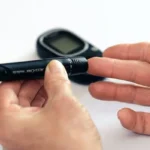
Mounjaro has helped many people manage type 2 diabetes and achieve weight loss goals with its active ingredient tirzepatide. The medication comes in a convenient pre-filled pen that delivers a once-weekly subcutaneous injection. This design makes it easy for most users to administer at home without complicated steps.
Despite its reliability, some users encounter issues where the pen does not function as expected. These problems can range from minor annoyances to situations requiring replacement. Understanding these occurrences helps users stay on track with their treatment without unnecessary worry.
This article covers typical Mounjaro pen problems based on user reports and manufacturer guidance. It includes practical troubleshooting steps, prevention tips, and advice on when to seek help from healthcare providers or the manufacturer Eli Lilly.
How the Mounjaro Pen Works
The Mounjaro pen, often called the KwikPen in some regions or a single-dose auto-injector in others, is pre-filled with tirzepatide solution. Each pen typically provides four fixed doses, with extra liquid for priming to ensure accurate delivery. Users attach a new needle, prime the pen by dialing and pressing to see a drop at the needle tip, then inject by pressing the button against the skin.
The process involves audible or visual cues like clicks or plunger movement to confirm completion. Proper storage in the refrigerator until first use, then at room temperature or refrigerated, keeps the medication stable. Following the Instructions for Use included with every pen reduces most potential issues.
Many find the pen straightforward after initial practice. Healthcare providers often demonstrate the technique during the first prescription to build confidence.
Common Signs of Mounjaro Pen Malfunction
Users sometimes report the pen feeling jammed, with the dose button hard to press or not moving at all. Others notice only one click instead of two during injection, or no medicine coming out despite the button being pushed. Leaking around the needle, medicine squirting out unexpectedly, or the pen not unlocking properly also occur.
In some cases, the pen may appear to deliver the dose but leave visible liquid in the viewing window unchanged, or the plunger does not move as expected. These signs can happen at any dose level but often appear during priming or early injections in a new pen.
While frustrating, many of these are not true defects but result from user technique, needle problems, or storage conditions. True manufacturing issues remain uncommon, with reports suggesting rates well below 1% in recent years.
Mounjaro Pen Malfunction: What Causes It and How to Fix It
Mounjaro pen malfunctions are often resolvable through simple checks and technique adjustments, though genuine defects require contacting Eli Lilly for replacement. Most issues stem from improper needle attachment, over-priming, built-up pressure in the cartridge, or not allowing the pen to reach room temperature.
A frequent complaint involves the dose knob being difficult to push or feeling jammed. This can happen if the needle is blocked, bent, or not securely attached. Replace the needle with a new one and prime again until a small drop appears at the tip. Press the button slowly and firmly while holding the pen against the skin at a 90-degree angle, counting to at least 10 seconds after the first click.
If the pen does not click twice or medicine does not flow, remove it from the skin, check for air bubbles or leaks, and try priming once more. Avoid forcing the button, as this can increase internal pressure and cause issues like bulging seals or wasted medication.
Another common scenario is the pen seeming to malfunction after three or four doses, with leftover liquid visible. This is normal design—the pen includes extra for priming, and a safety mechanism locks after four full doses to prevent overuse. Do not attempt to extract the remainder, as it is not a full dose.
For unlock button problems where the pen stays locked, ensure the pen is at room temperature and gently try turning it again. Dropping the pen can damage internal parts, so inspect for visible cracks or bends before use. If the medicine looks cloudy, discolored, or contains particles, discard the pen immediately.
Troubleshooting Steps for Mounjaro Pen Issues
Follow these steps in order when a problem arises. First, confirm the pen is not expired and has been stored correctly—refrigerated before first use, then up to 30 days at room temperature or refrigerated. Wash hands and clean the injection site.
Attach a fresh needle tightly, removing both outer and inner caps. Prime by dialing to the prime position or following the specific steps in your pen’s Instructions for Use until a drop appears. If no drop shows after one or two attempts, replace the needle and repeat.
During injection, place the pen flat against the skin, unlock if needed, and press the button slowly with steady pressure. Hold for the full count even after clicks to ensure complete delivery. Check the plunger or dose window afterward to confirm movement.
If issues persist after these checks, do not reuse the pen. Note the lot number and contact your pharmacy or Eli Lilly directly. Many users receive prompt replacements for verified defects, often with tracking for new shipments.
Prevention Tips to Avoid Pen Problems
Prevent most malfunctions by handling the pen carefully and following best practices. Always use a new needle for each injection to avoid blockages or contamination. Let the pen warm to room temperature for 30 minutes before use to reduce resistance and improve flow.
Prime exactly as directed—over-priming wastes medication and can build pressure leading to jams. Rotate injection sites between abdomen, thigh, and upper arm to maintain skin health and consistent absorption.
Store pens properly in their original carton away from light and extreme temperatures. Avoid freezing, as this can damage the medication or mechanism. Handle gently to prevent drops that might misalign internal components.
Track doses in a calendar or app to avoid confusion about remaining doses. If traveling, keep the pen in a protective case to minimize risk of damage.
Mounjaro Pen Troubleshooting Comparison
| Issue | Possible Cause | Quick Fix |
|---|---|---|
| Dose button hard to push | Blocked needle, cold pen, over-priming | Replace needle, warm pen, prime once more slowly |
| Only one click or no medicine flow | Early lift-off, bent needle, pressure buildup | Hold 10 seconds, new needle, report if persists |
| Pen won’t unlock | Stiff mechanism, cold temperature | Warm to room temp, gentle turn; discard if damaged |
| Leftover liquid after 4 doses | Normal design feature | Do not use remainder; start new pen |
| Leaking or squirting | Loose needle, forced injection | Tighten needle, press slowly; contact support |
This table summarizes frequent problems and solutions for quick reference. Most resolve without needing replacement.
When to Contact Eli Lilly or Your Doctor
If troubleshooting does not resolve the issue, stop using the pen to avoid incomplete dosing or safety risks. Contact Eli Lilly through their support line or website, providing the lot number, pen details, and description of the problem. They often arrange free replacements after verification.
Inform your healthcare provider as well—they can advise on missed doses, such as taking it within 4 days if possible or resuming the schedule. For urgent concerns like allergic reactions or infection signs at the site, seek medical attention immediately.
Report any suspected defects to help improve future devices and ensure others receive reliable treatment.
Summary
The Mounjaro pen offers convenient delivery of tirzepatide for diabetes management and weight loss, but occasional malfunctions like jamming, missing clicks, or no flow can occur. Many stem from simple factors such as needle issues, cold medication, or technique errors, and resolve with basic troubleshooting like needle replacement and slow pressing.
True defects are rare, and Eli Lilly provides support for replacements when needed. Following proper storage, priming, and injection steps prevents most problems and supports consistent results. Always refer to the official Instructions for Use and consult professionals for personalized guidance to stay safe and effective on your treatment path.
FAQ
What are common Mounjaro pen malfunctions?
Common issues include a hard-to-push dose button, only one click during injection, no medicine delivery, leaking, or the pen not unlocking. These often result from needle problems, cold pen temperature, or over-priming rather than defects. Most can be fixed quickly with troubleshooting.
How do I fix a jammed Mounjaro pen?
Replace the needle, prime the pen until a drop appears, and press the button slowly while holding it against your skin for 10 seconds. Let the pen warm to room temperature first. If it still jams after these steps, discard it and contact Eli Lilly for a replacement.
Does the Mounjaro pen have a reset button?
No, the Mounjaro pen does not have a reset button. Issues like stiffness or incomplete delivery usually resolve by checking the needle, priming correctly, or warming the pen. Persistent problems indicate a potential defect requiring manufacturer support.
What should I do if my Mounjaro pen doesn’t click twice?
Hold the button longer after the first click to allow full delivery. If no second click occurs or medicine does not dispense, remove the pen, replace the needle, and try again. Report to Eli Lilly if it continues, as this may signal a malfunction.
How can I get a replacement for a faulty Mounjaro pen?
Contact Eli Lilly directly via their support line or website with your pen’s lot number and issue details. Many users receive free replacements promptly after verification. Inform your doctor or pharmacy as well for guidance on continuing treatment.

Dr. Hamza is a medical content reviewer with over 12 years of experience in healthcare research and patient education. He specializes in evidence-based health information, medications, and chronic disease management. His reviews are based on trusted medical sources and current clinical guidelines to ensure accuracy, transparency, and reliability. All content reviewed by Dr. Hamza is intended for educational purposes only and should not be considered a substitute for professional medical advice