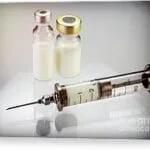
Many people today manage multiple health conditions at once. Semaglutide, a popular medication, helps with type 2 diabetes and weight loss. It’s sold under brand names like Ozempic, Wegovy, and Rybelsus. If you also deal with high blood pressure, you might wonder about mixing these treatments.
High blood pressure affects millions worldwide. It raises risks for heart disease and stroke if left unchecked. Doctors often prescribe medications to keep it in a healthy range. These drugs work in different ways to relax blood vessels or reduce fluid buildup.
Combining semaglutide with blood pressure meds is a common concern. Safety depends on individual factors like your overall health and specific drugs. This article explores the topic in detail to help you make informed choices. Always talk to your doctor before starting any new treatment.
What Is Semaglutide?
Semaglutide belongs to a class of drugs called GLP-1 receptor agonists. It mimics a hormone in your body that regulates blood sugar and appetite. Originally developed for diabetes, it’s now widely used for weight management.
This medication comes in injectable forms like Ozempic and Wegovy, or as a pill called Rybelsus. It helps lower blood sugar by boosting insulin release after meals. It also slows digestion, making you feel full longer.
People often see significant weight loss with semaglutide. Studies show it can reduce body weight by 10-15% over a year. This makes it appealing for those with obesity-related issues.
Beyond diabetes and weight, semaglutide shows promise in heart health. Some research links it to lower risks of heart attacks and strokes. It’s not a cure-all, but it fits into broader lifestyle changes.
How Does Semaglutide Work in the Body?
Semaglutide targets receptors in the brain and gut. It signals fullness to reduce calorie intake naturally. This process helps control portions without extreme dieting.
In the pancreas, it enhances insulin production when needed. This keeps blood sugar stable, especially after eating. For diabetics, this reduces reliance on other meds.
It also affects the stomach by delaying emptying. Food stays longer, curbing hunger spikes. Users report fewer cravings for sugary or fatty foods.
Over time, these effects lead to steady weight loss. Combined with exercise and diet, results improve. It’s a tool that supports long-term habits, not a quick fix.
Understanding High Blood Pressure
High blood pressure, or hypertension, means your blood pushes too hard against artery walls. It’s often silent, with no obvious symptoms. Regular checks are key to catching it early.
Causes include genetics, poor diet, lack of exercise, and stress. Excess weight plays a big role too. Losing even a little weight can drop readings noticeably.
Untreated, it strains the heart and vessels. This raises chances of heart disease, kidney issues, and vision problems. Managing it involves lifestyle tweaks and often meds.
Monitoring at home helps track progress. Aim for under 120/80 mmHg. Small changes like cutting salt add up over time.
Common Medications for High Blood Pressure
Doctors prescribe various drugs based on your needs. These fall into classes like diuretics, ACE inhibitors, and beta-blockers. Each targets different aspects of blood pressure control.
Diuretics flush extra water and salt from the body. This eases vessel pressure. They’re often a first-line choice for mild cases.
ACE inhibitors relax blood vessels by blocking a hormone. They protect the heart and kidneys too. Popular ones include lisinopril and enalapril.
Beta-blockers slow the heart rate and reduce force. They help during stress or activity. Examples are metoprolol and atenolol.
Calcium channel blockers prevent calcium from entering cells. This widens vessels for better flow. Amlodipine is a common one.
ARBs work like ACE inhibitors but with fewer side effects for some. Losartan and valsartan are widely used. Combination pills mix two types for convenience. They simplify routines and improve adherence.
Potential Benefits of Semaglutide for Heart Health
Semaglutide may support cardiovascular wellness. Weight loss from it lightens the heart’s load. This can improve overall function.
Some studies show it reduces inflammation in arteries. Less plaque buildup means lower risks over time. It’s especially helpful for those with diabetes.
Users often see better cholesterol levels. HDL rises while triglycerides fall. These shifts promote healthier blood vessels.
Energy boosts from weight loss encourage activity. More movement strengthens the heart naturally. It’s a positive cycle.
Can You Take Semaglutide with High Blood Pressure Medication?
Yes, you can generally take semaglutide with high blood pressure medication safely. Research indicates no major direct conflicts between semaglutide and common hypertension drugs. In fact, semaglutide often lowers blood pressure as a side benefit, which can complement your existing treatment.
However, individual responses vary. Semaglutide’s blood pressure-lowering effect might lead to readings that are too low if your meds are strong. This could cause dizziness or fatigue. Doctors may adjust doses to balance things out.
Always consult your healthcare provider first. They can review your specific meds and monitor for any subtle interactions. Regular check-ups ensure everything stays on track.
Studies on semaglutide in people without diabetes show systolic blood pressure drops by about 4-5 mmHg. Diastolic falls by 2-3 mmHg. These changes are modest but meaningful for heart health.
If you have hypertension, semaglutide’s weight loss aspect might reduce your need for blood pressure meds over time. Some patients de-escalate or stop certain drugs under supervision. This highlights its potential as an adjunct therapy.
Possible Interactions and Side Effects
While rare, some interactions deserve attention. Beta-blockers might mask low blood sugar signs if you’re diabetic. Semaglutide enhances insulin, so watch for shakiness or confusion.
Diuretics combined with semaglutide could increase dehydration risks. Both affect fluid balance. Stay hydrated and report unusual tiredness.
ACE inhibitors and ARBs generally pair well. But if blood pressure dips too much, lightheadedness may occur. Start low and go slow with dosing.
Common side effects of semaglutide include nausea and diarrhea. These usually fade after weeks. They don’t typically worsen with blood pressure meds.
Serious issues like pancreatitis are uncommon. High blood pressure doesn’t raise this risk further. Prompt medical help for severe abdominal pain is wise.
Monitoring blood pressure at home spots changes early. Log readings and share with your doctor. Adjustments keep side effects minimal.
When to Talk to Your Doctor
Before starting semaglutide, discuss your full medical history. Mention all meds, including over-the-counter ones. This prevents surprises.
If you notice new symptoms like rapid heartbeat, seek advice. It could signal an imbalance. Quick tweaks resolve most issues.
Pregnant or planning pregnancy? Semaglutide isn’t recommended. Explore safer options with your provider.
Kidney or liver concerns require extra caution. Semaglutide is processed there, so doses might need tweaking.
Regular blood work checks for interactions. It ensures kidneys and electrolytes stay balanced. Follow-up visits build confidence.
Lifestyle Tips While on These Medications
Pair meds with healthy habits for best results. Eat plenty of fruits, veggies, and whole grains. These naturally lower blood pressure.
Limit salt to under 2,300 mg daily. Read labels on processed foods. Fresh cooking gives more control.
Aim for 150 minutes of moderate exercise weekly. Walking or swimming fits easily. It aids weight loss and heart strength.
Manage stress through yoga or meditation. High stress spikes blood pressure. Consistent practice calms the mind.
Track weight and measurements monthly. Seeing progress motivates. Celebrate small wins along the way.
Stay consistent with meds. Set reminders if needed. Skipping doses disrupts control.
Hydrate well, especially with diuretics. Water supports kidney function. Herbal teas count too.
Alternatives to Semaglutide
If semaglutide isn’t right, other GLP-1 drugs like liraglutide exist. They work similarly with slight differences. Your doctor can compare.
Metformin is a staple for diabetes with fewer gut effects. It aids mild weight loss too. Often combined with others.
SGLT2 inhibitors like empagliflozin protect the heart. They lower blood sugar via kidneys. Good for those with hypertension.
Bariatric surgery suits severe obesity. It’s invasive but effective long-term. Discuss risks and benefits.
Natural approaches include intermittent fasting. Paired with diet, it mimics semaglutide’s effects. Start slowly under guidance.
Phentermine offers short-term appetite suppression. It’s not for everyone due to stimulant effects. Use cautiously with blood pressure meds.
Common High Blood Pressure Medications and Interactions
Here’s a table outlining common blood pressure medication classes, examples, and potential interactions with semaglutide. This helps visualize compatibility based on available research.
| Medication Class | Examples | Potential Interaction with Semaglutide |
|---|---|---|
| Diuretics (Water Pills) | Hydrochlorothiazide (HCTZ), Furosemide (Lasix), Chlorthalidone, Spironolactone (Aldactone), Bumetanide, Indapamide | May increase dehydration risk as both can affect fluid balance; monitor for dizziness or low electrolytes; dose adjustments possible if blood pressure drops excessively. |
| ACE Inhibitors | Lisinopril (Zestril), Enalapril (Vasotec), Ramipril (Altace), Captopril (Capoten), Benazepril (Lotensin), Quinapril (Accupril), Perindopril (Aceon), Trandolapril (Mavik), Moexipril (Univasc), Fosinopril | Generally safe; semaglutide’s BP-lowering effect might enhance theirs, leading to hypotension; watch for lightheadedness; kidney function monitoring recommended. |
| Angiotensin II Receptor Blockers (ARBs) | Losartan (Cozaar), Valsartan (Diovan), Irbesartan (Avapro), Candesartan (Atacand), Olmesartan (Benicar), Telmisartan (Micardis), Azilsartan (Edarbi), Eprosartan (Teveten) | No major conflicts; combined use may amplify BP reduction; potential for low BP symptoms like fatigue; regular checks advised. |
| Beta-Blockers | Metoprolol (Lopressor, Toprol XL), Atenolol (Tenormin), Propranolol (Inderal), Carvedilol (Coreg), Bisoprolol (Zebeta), Nebivolol (Bystolic), Labetalol (Trandate), Nadolol (Corgard), Pindolol (Visken), Sotalol (Betapace) | Can mask hypoglycemia symptoms if diabetic; semaglutide may slow heart rate further; monitor pulse and sugar levels closely. |
| Calcium Channel Blockers | Amlodipine (Norvasc), Diltiazem (Cardizem), Verapamil (Calan), Felodipine (Plendil), Nifedipine (Procardia), Nicardipine (Cardene), Isradipine (DynaCirc), Nisoldipine (Sular), Clevidipine (Cleviprex) | Safe overall; possible additive BP drop; report swelling or irregular heartbeat; often well-tolerated together. |
| Alpha-Blockers | Doxazosin (Cardura), Prazosin (Minipress), Terazosin (Hytrin), Tamsulosin (Flomax, though more for prostate), Alfuzosin (Uroxatral), Silodosin (Rapaflo) | Minimal interactions; orthostatic hypotension risk if BP falls sharply; stand slowly to avoid falls. |
| Central Alpha Agonists | Clonidine (Catapres), Methyldopa (Aldomet), Guanfacine (Tenex), Guanabenz (Wytensin) | Rare issues; semaglutide might enhance sedation; watch for drowsiness or dry mouth. |
| Vasodilators | Hydralazine (Apresoline), Minoxidil (Loniten), Nitroprusside (Nitropress, hospital use) | Potential for pronounced BP lowering; used in resistant cases; close supervision needed. |
| Renin Inhibitors | Aliskiren (Tekturna) | Limited data; possible kidney effects; not common but monitor if combined. |
| Combination Drugs | Amlodipine/Valsartan (Exforge), Losartan/HCTZ (Hyzaar), Enalapril/HCTZ (Vaseretic), Olmesartan/Amlodipine (Azor), Bisoprolol/HCTZ (Ziac), Candesartan/HCTZ (Atacand HCT), Irbesartan/HCTZ (Avalide), Telmisartan/Amlodipine (Twynsta), Valsartan/HCTZ (Diovan HCT), Nebivolol/Valsartan (Byvalson) | Interactions depend on components; overall compatible but track for cumulative effects on BP and fluids. |
This table covers a broad range for reference. Not all interactions apply to everyone. Use it as a starting point for discussions with your doctor.
Monitoring Your Health on Combined Treatments
Regular doctor visits track progress. Blood tests check kidney and liver function. These organs process both types of meds.
Home BP monitors are affordable and easy. Take readings twice daily. Note patterns for your provider.
Keep a symptom journal. Record energy levels, appetite, and any discomfort. This spots trends early.
Adjust lifestyle as weight changes. Lighter body might need less medication. Don’t self-adjust though.
Support groups offer tips from others. Sharing experiences builds motivation. Online forums provide insights.
Long-Term Outlook
Consistent use leads to lasting benefits. Weight maintenance prevents rebound issues. Focus on sustainable changes.
Heart health improves with lower BP and weight. Reduced risks mean better quality of life. Enjoy activities more freely.
Research evolves on semaglutide. New studies may reveal more advantages. Stay informed through reliable sources.
Pairing treatments smartly empowers you. Knowledge reduces worry. Take charge with professional guidance.
Summary
Semaglutide offers hope for diabetes and weight control, even with high blood pressure meds. It’s generally safe and may enhance BP management through weight loss. Key is personalized advice from your doctor to handle any minor interactions. Lifestyle plays a huge role in success. With monitoring, many thrive on this combo. Prioritize health discussions for optimal results.
FAQ
What is semaglutide used for?
Semaglutide treats type 2 diabetes by controlling blood sugar. It also aids weight loss in overweight adults. Brands include Ozempic for injection and Rybelsus as a pill. It mimics a gut hormone for appetite regulation.
Is semaglutide safe for people with high blood pressure?
Yes, it’s typically safe and may lower blood pressure slightly. No major clashes with common BP meds exist. However, watch for low BP symptoms like dizziness. Your doctor can adjust as needed.
What side effects might occur when combining these?
Nausea from semaglutide is common but temporary. With BP meds, low pressure could cause fatigue. Dehydration risks rise with diuretics. Report issues promptly for tweaks.
How does weight loss from semaglutide affect blood pressure?
Losing weight reduces heart strain, often lowering BP naturally. Many need fewer meds over time. Studies show 4-5 mmHg drops. Combine with diet for best outcomes.
Can I stop my BP meds while on semaglutide?
No, never stop without doctor approval. As weight drops, doses might decrease. Regular monitoring guides changes. Abrupt stops risk spikes in pressure.
Are there foods to avoid on this combination?
Limit high-salt items to aid BP control. Sugary foods counter semaglutide’s benefits. Focus on balanced meals. Alcohol in moderation avoids dehydration.
How often should I check my blood pressure?
Daily at home, morning and evening. Log for patterns. Doctor visits every 3-6 months suffice unless issues arise. Consistent tracking ensures safety.
What if I have kidney issues?
Semaglutide is okay for mild cases but monitor closely. BP meds like ACE inhibitors protect kidneys. Blood tests track function. Discuss history upfront.
Does semaglutide interact with other heart meds?
Rarely major issues, but beta-blockers may hide low sugar signs. Statins for cholesterol pair well. Full med list review prevents problems.
Can semaglutide replace my BP medication?
No, it’s not a direct substitute. It helps indirectly via weight loss. Use as add-on therapy. Lifestyle remains foundational for control.

Dr. Hamza is a medical content reviewer with over 12 years of experience in healthcare research and patient education. He specializes in evidence-based health information, medications, and chronic disease management. His reviews are based on trusted medical sources and current clinical guidelines to ensure accuracy, transparency, and reliability. All content reviewed by Dr. Hamza is intended for educational purposes only and should not be considered a substitute for professional medical advice