2025 Gut Health Warning Signs: Morning Symptoms, Constipation, Kids’ Stomach Pain & Digestive Red Flags You Should Never Ignore
Your gut is sending signals every day — sometimes subtle, sometimes urgent. Recognizing these warning signs early can prevent chronic digestive issues, improve mood, and protect your children’s gut health. Here’s a complete 2025 guide for parents, women, and health-conscious readers.
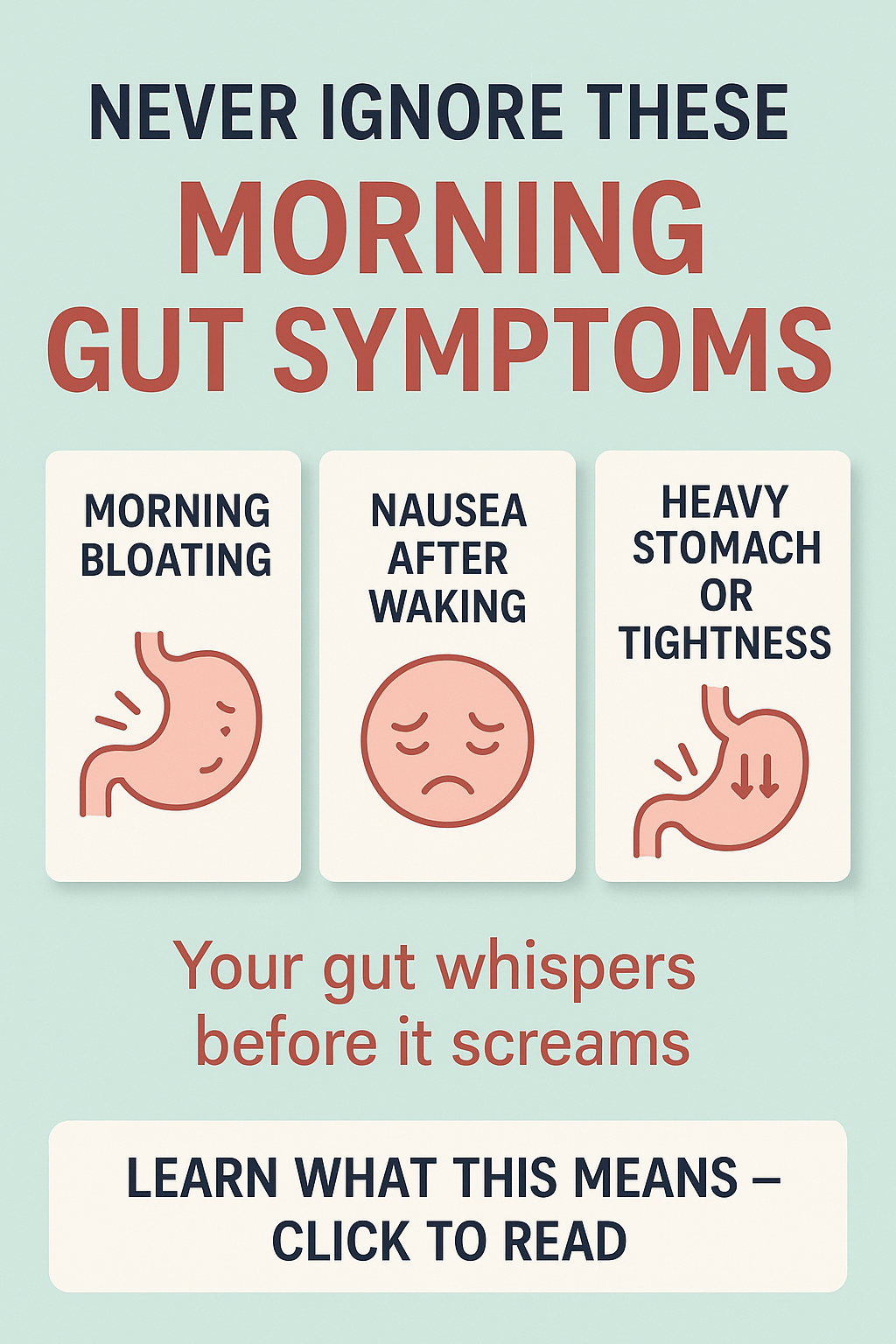
Never Ignore These 3 Morning Gut Symptoms (Warning Signs of Early Digestive Disease)
Starting your day with stomach discomfort is not “normal.” Morning gut symptoms can indicate inflammation, poor digestion, or early-stage IBS.
3 morning warning signs to watch for:
1️⃣ Bloating or Tightness Before Breakfast – Could be due to delayed gastric emptying or food sensitivities. 2️⃣ Nausea or Acid Taste – Often a sign of acid reflux (GERD) or an imbalanced gut microbiome. 3️⃣ Urgent Bowel Movements or Sharp Pain – Daily occurrence may indicate gut irritation or IBS.
Ignoring these signals can lead to serious digestive disorders over time.
This 30-Second Morning Habit Improves Digestion ALL DAY (Scientifically Proven Routine)
Even a busy morning can include a 30-second habit that boosts digestion and reduces bloating:
Routine:
Drink warm water immediately after waking up.
Practice gentle deep belly breathing for 30 seconds.
Why it works:
Activates your vagus nerve, stimulating gut motility.
Reduces morning acidity and bloating.
Prepares your digestive system for the day.
Bonus tip: Light stretching or bringing knees to chest can enhance bowel movement naturally.
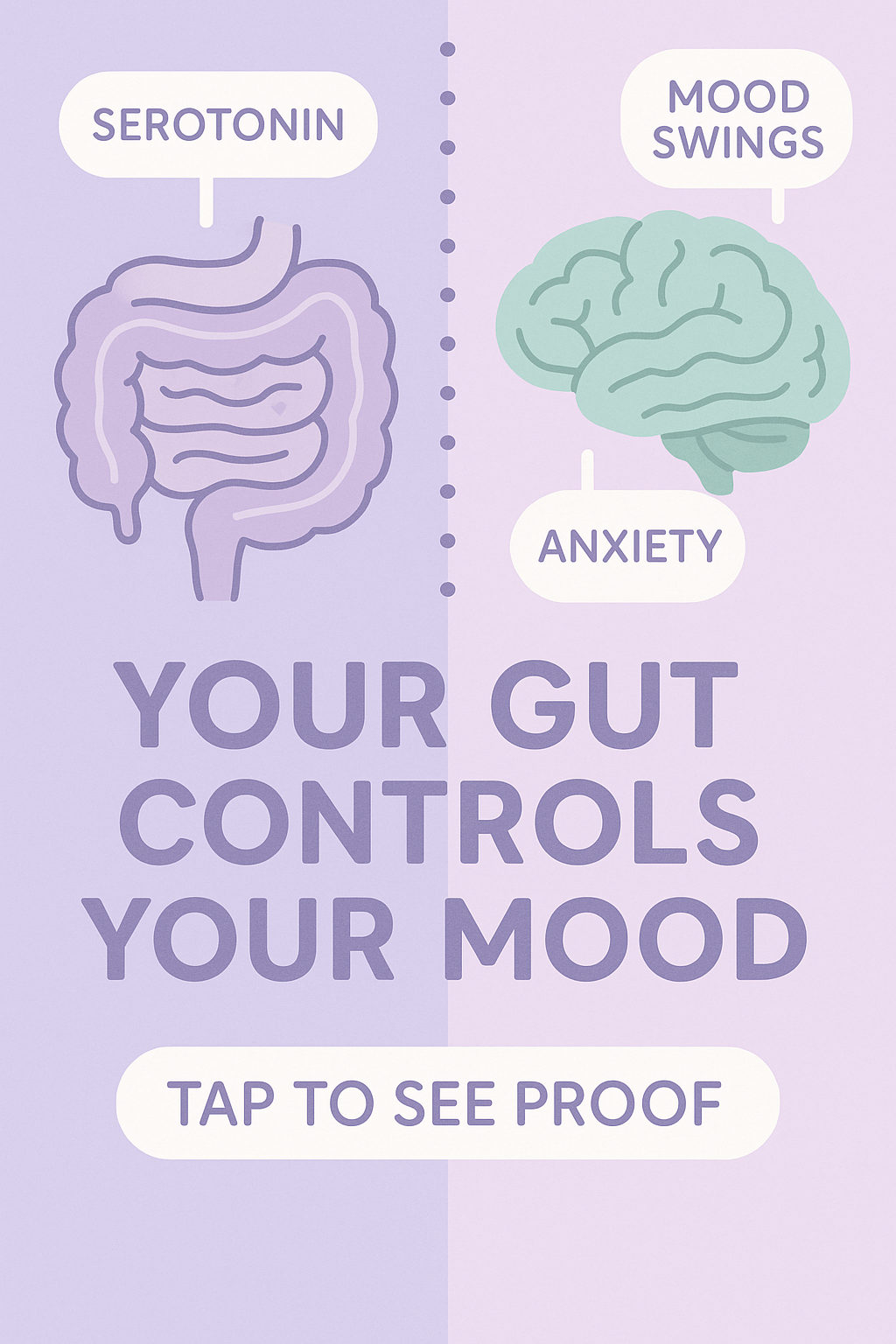
Your Gut Controls Your Mood — The Gut–Brain Connection Explained (2025 Research)
Did you know your gut is often called your “second brain”? The gut–brain axis is responsible for:
90% of serotonin production (mood regulation)
Affecting anxiety, irritability, and mental clarity
Showing early signs of gut inflammation through emotional change.
Poor gut health often manifests as mood swings — it’s not “all in your head.”
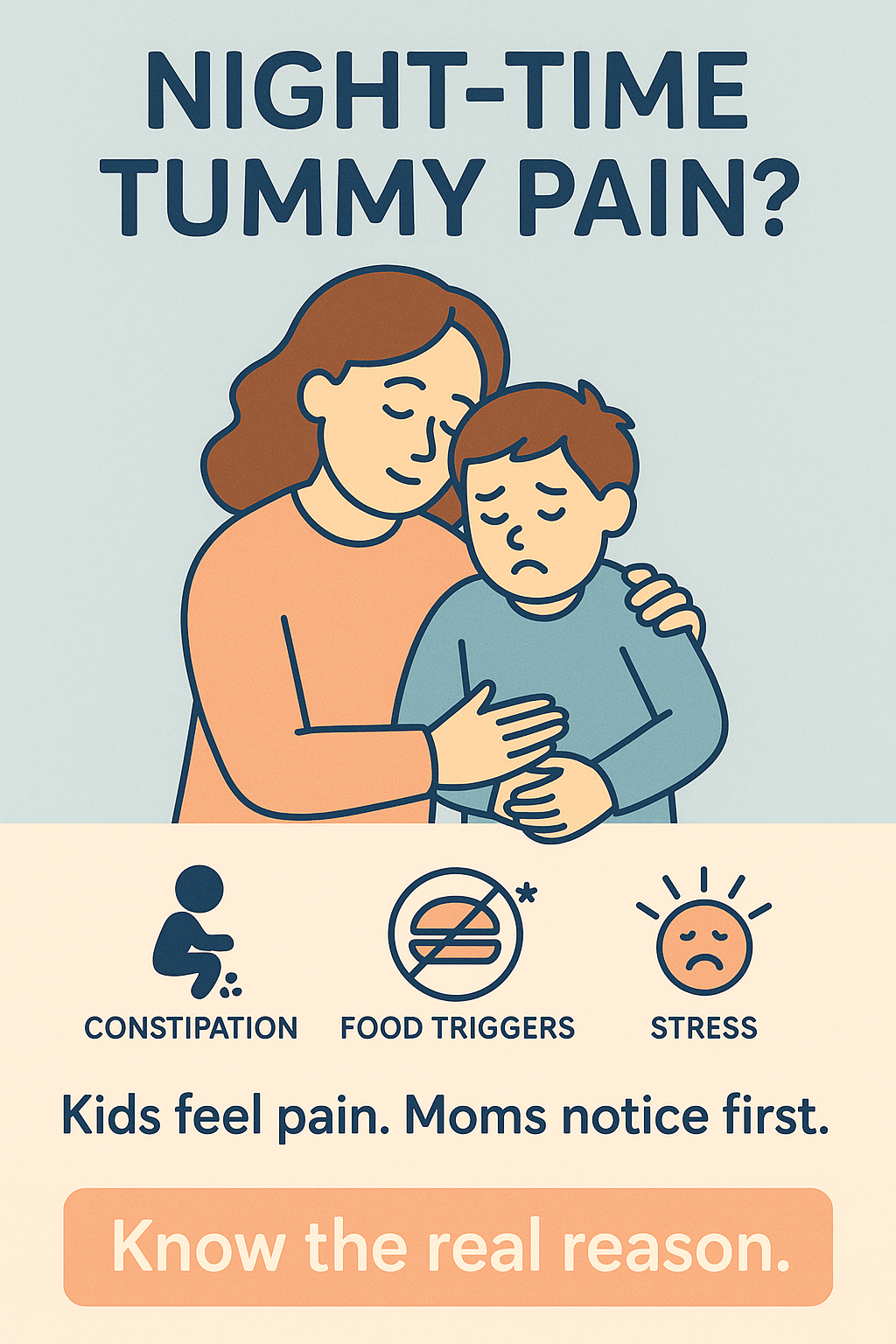
Kids Complaining of Tummy Pain Every Night? The REAL Reason Behind It
Children rarely express digestive discomfort clearly. Watch for:
Night-time stomach pain or cramps
Skipping meals or reduced appetite
Behavioral changes like irritability or restlessness
Common causes:
Chronic constipation
Food sensitivities (dairy, processed foods, high sugar)
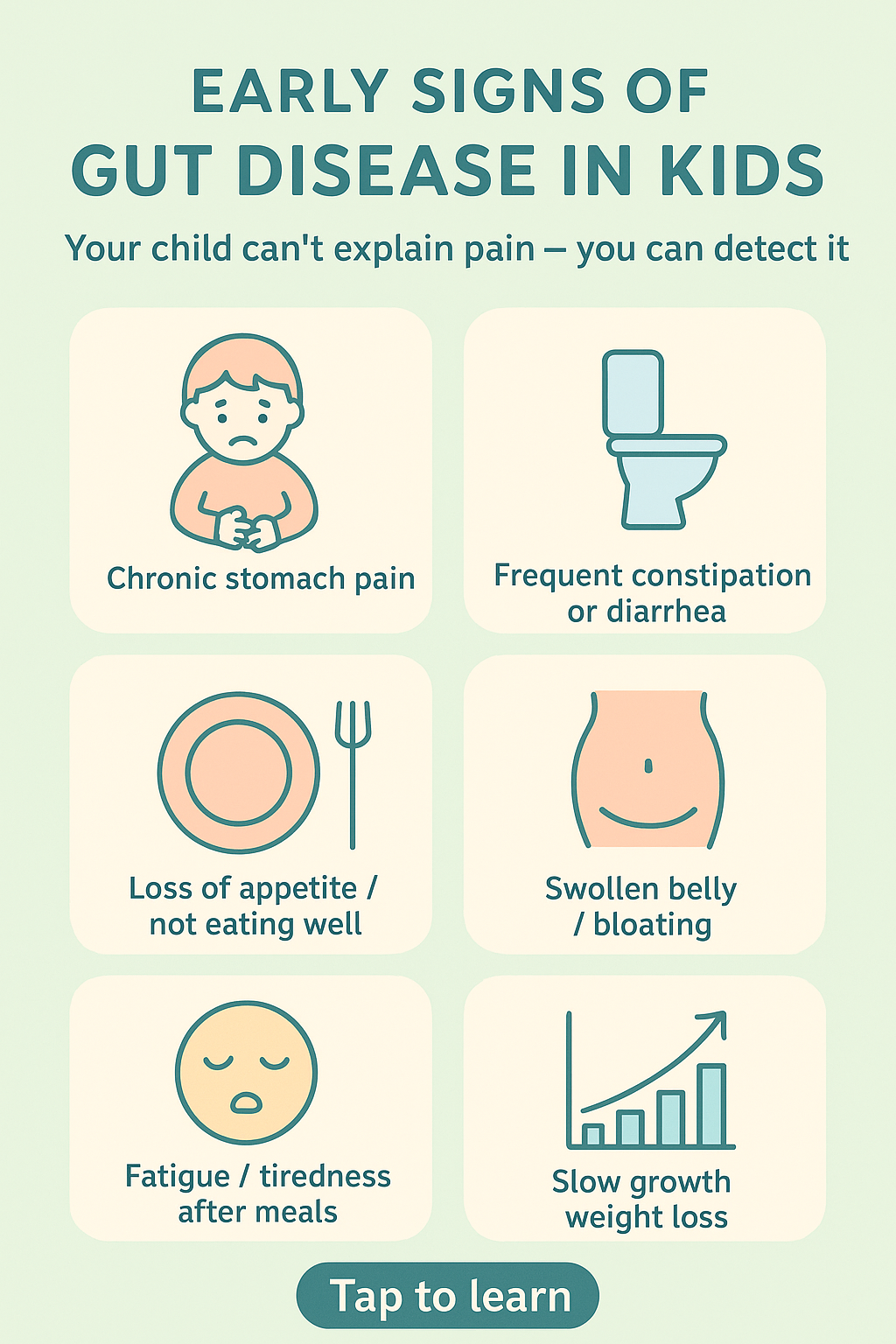
Moms Notice Gut Problems First — 5 Early Signs of Digestive Issues in Children
Mothers often detect gut disorders before doctors do. Look for these signs:
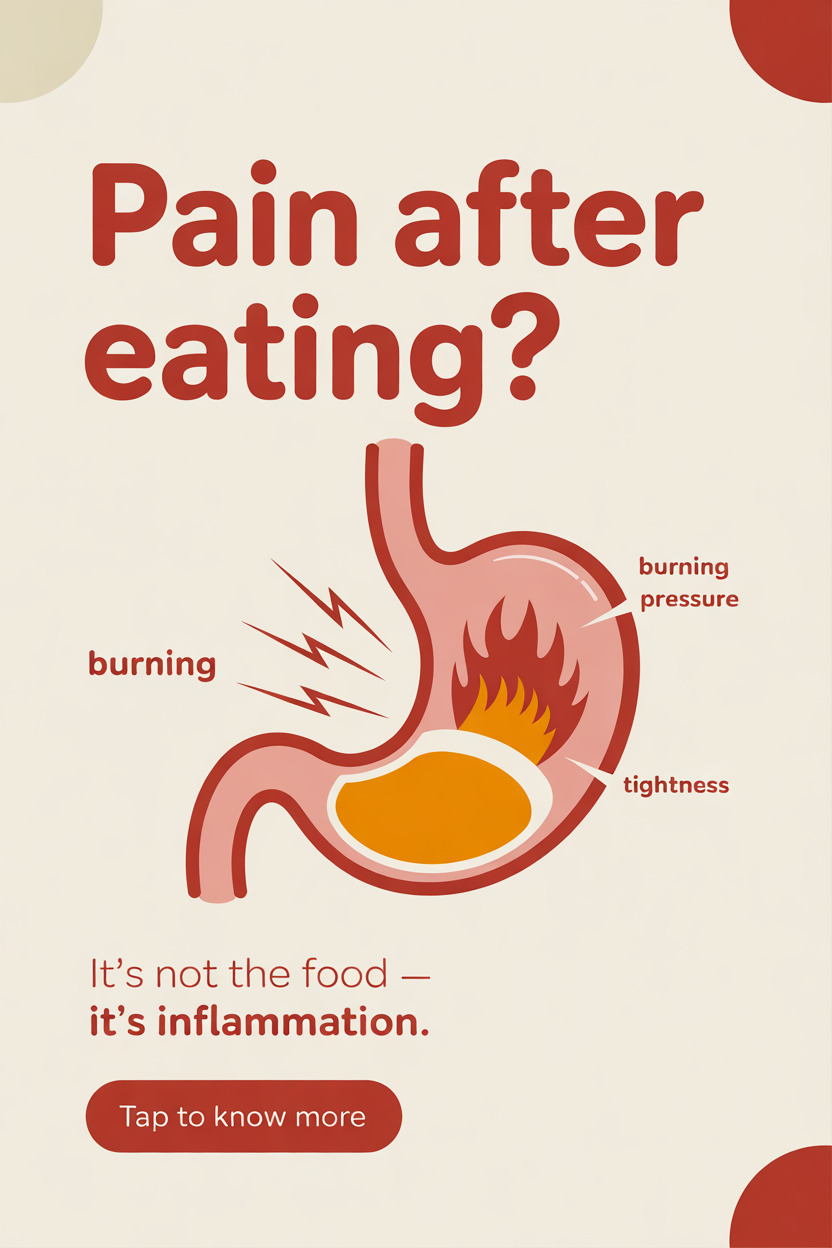
1️⃣ Sudden loss of appetite 2️⃣ Frequent abdominal pain after meals 3️⃣ Chronic constipation or diarrhea 4️⃣ Dark circles under eyes (possible malabsorption) 5️⃣ Changes in energy, mood, or behavior